Foodex Global Trade
Banana
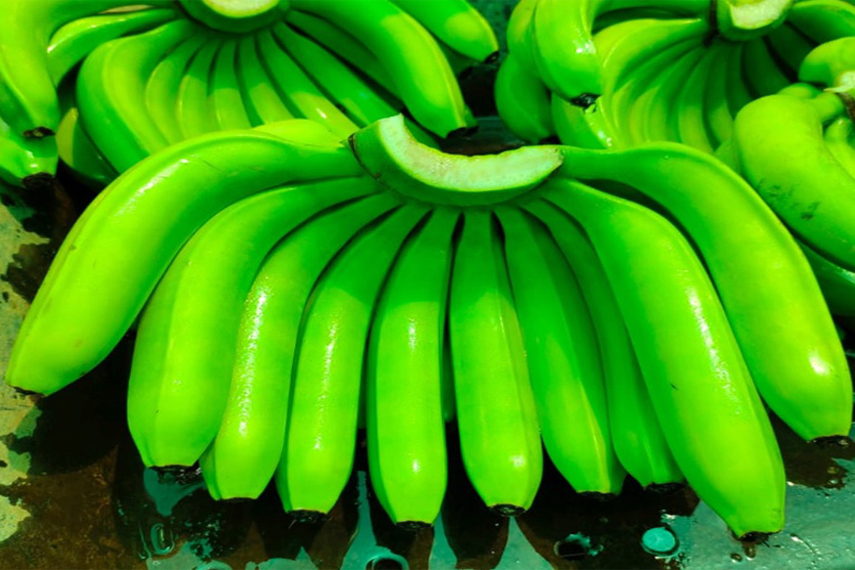
Banana
Banana (Musa spp.) is one of the most widely consumed fruits in the world, known for its soft, sweet flesh and convenient natural packaging. Native to Southeast Asia, bananas have been cultivated for thousands of years and are now grown in over 135 countries, especially in tropical and subtropical regions. Botanically classified as a berry, the banana grows on a large herbaceous plant—not a true tree—with a pseudostem made of tightly packed leaf bases. There are two major categories of bananas: dessert bananas, which are eaten raw (like the Cavendish variety), and plantains, which are starchier and usually cooked. Nutritionally, bananas are rich in carbohydrates, primarily in the form of natural sugars and dietary fiber, making them a quick energy source. They are an excellent source of potassium, which helps regulate blood pressure and muscle function, and also provide vitamin C, vitamin B6, and magnesium. Bananas contain antioxidants such as dopamine and catechins, which support heart health and combat oxidative stress. Despite their sweetness, bananas have a low to medium glycemic index, making them suitable for most balanced diets. Beyond their nutritional value, bananas play a significant role in global economies, particularly for developing nations that rely on banana exports.
However, the commercial banana industry faces challenges such as vulnerability to pests and diseases—especially the Panama disease (Tropical Race 4)—which threaten monoculture crops like the Cavendish. In traditional medicine, banana leaves, flowers, and peels are also used for their purported healing properties, and the plant is often seen as a symbol of fertility and prosperity in various cultures. With their rich blend of nutrition, accessibility, and cultural significance, bananas remain a staple food and economic resource around the globe.
Enquiry Now